Vergleichen Sie zu
Select..
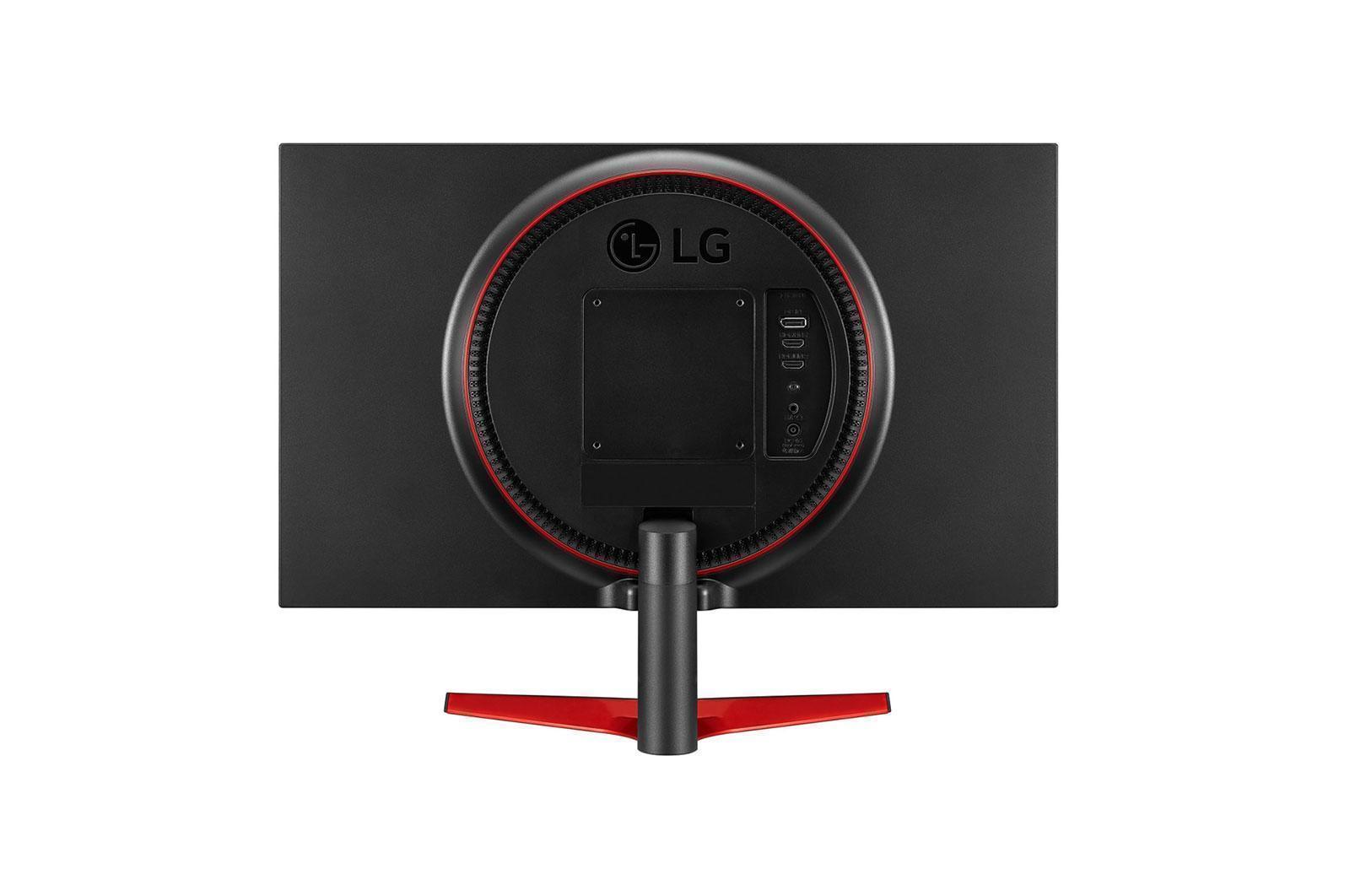
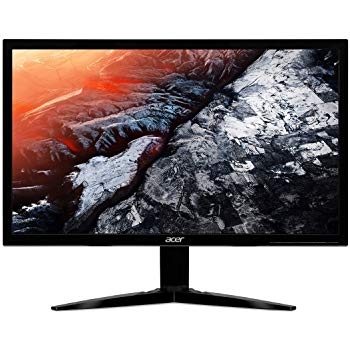
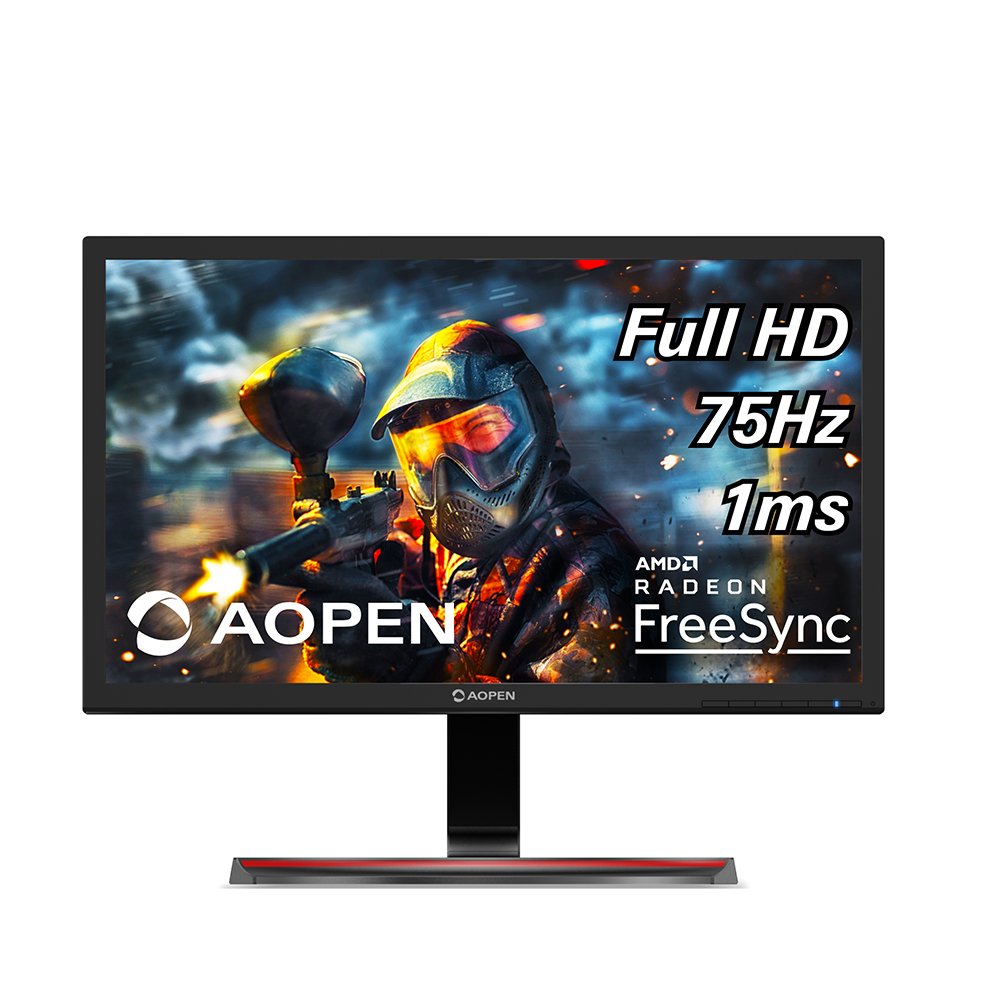
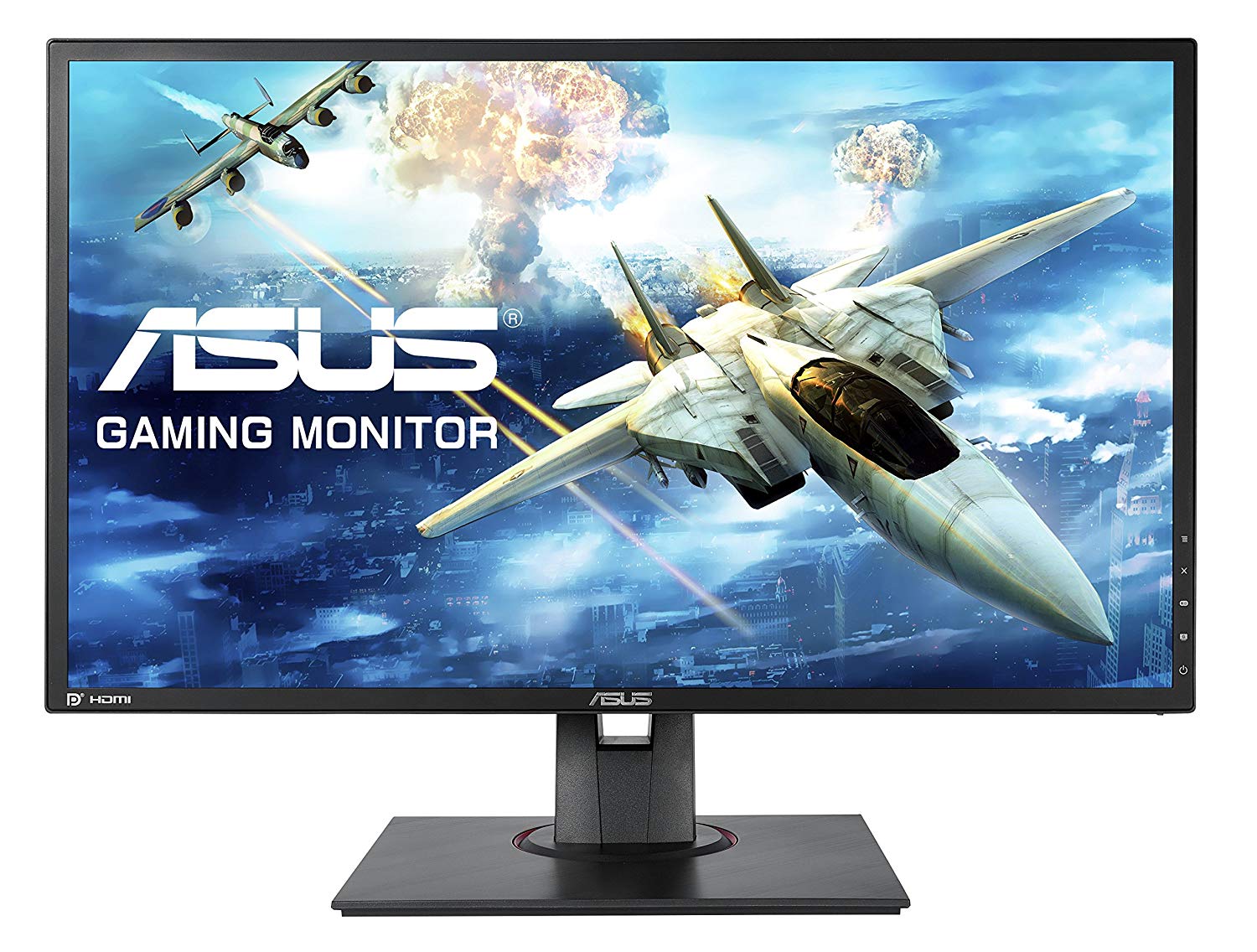
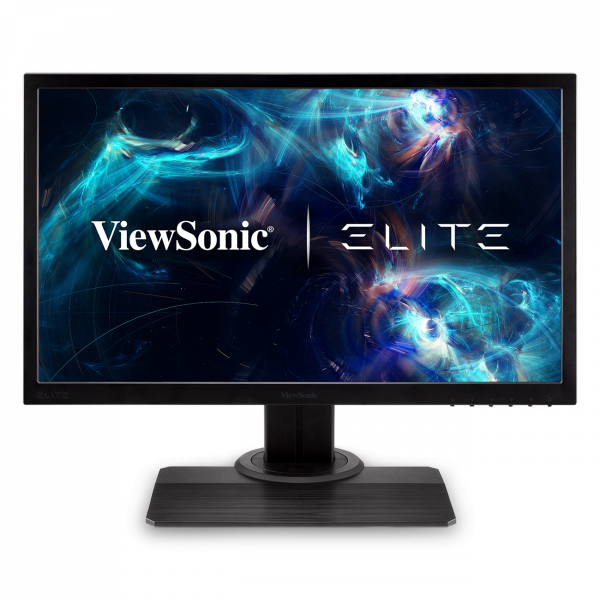
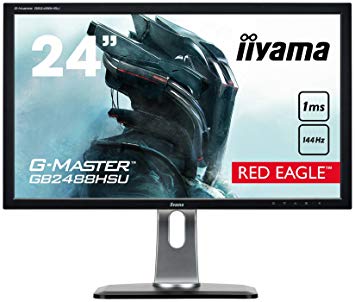
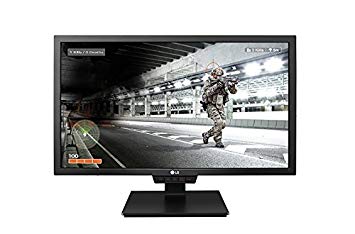
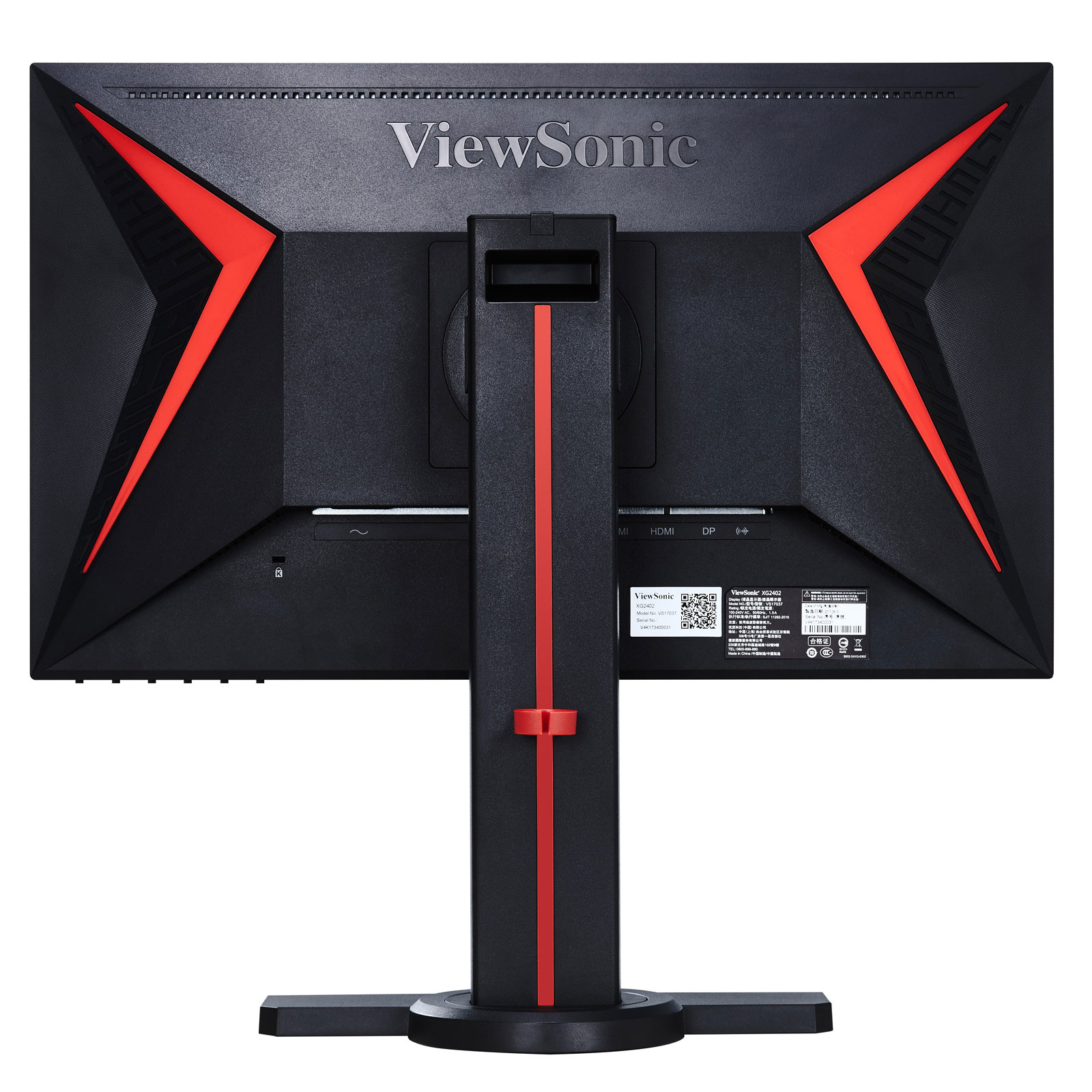
23.6" AOC C24G1 - € 167 23.8" AOC 24V2H - € 220 23.8" AOC 24V2Q - € 110 23.8" AOC AGON AG241QG - € 144 23.8" AOC AGON AG241QX - € 290 24" AOC 24G2 - € 225 24" AOC G2460PF - € 176 24" AOC G2460PG - € 144 24" AOC G2460PG-2 - € 144 24" AOC G2460VQ6 - € 132 24.5" AOC AGON AG251FG - € 572 24.5" AOC AGON AG251FZ - € 572 24.5" AOC G2590FX - € 176 24.5" AOC G2590PX - € 110 24.5" AOC G2590PX/G2 - € 202 24.5" AOC G2590VXQ - € 197 27" AOC 27V2H - € 135 27" AOC 27V2Q - € 116 27" AOC AGON AG271QG - € 299 27" AOC AGON AG272FCX - € 878 27" AOC AGON AG272FCX6 - € 878 27" AOC AGON AG273QCG - € 878 27" AOC AGON AG273QCX - € 440 27" AOC C2789FH8 - € 263 27" AOC C27G1 - € 227 27" AOC CQ27G1 - € 229 27" AOC CQ27G2 - € 229 27" AOC G2770PF - € 267 27" AOC G2778VQ - € 116 27" AOC G2790PX - € 366 28" AOC G2868PQU - € 211 28" AOC U2879VF - € 370 31.5" AOC AGON AG322FCX - € 97 31.5" AOC AGON AG322QC4 - € 484 31.5" AOC AGON AG322QCX - € 396 31.5" AOC C32G1 - € 220 31.5" AOC CQ32G1 - € 471 31.5" AOC Q3279VWF - € 202 31.5" AOC Q3279VWFD8 - € 202 32" AOC CQ32G1 - € 352 34" AOC CU34G2X - € 352 35" AOC AGON AG352QCX - € 352 35" AOC AGON AG352UCG - € 704 35" AOC AGON AG352UCG6 - € 651 35" AOC C3583FQ - € 513 23.6" AOpen 24HC1QR P - € 113 23.6" AOpen 24HX2Q P - € 154 23.8" AOpen 24ML1Y - € 154 23.8" AOpen 24ML2Y - € 264 24" AOpen 24MX1 - € 106 27" AOpen 27HC1R P - € 194 27" AOpen 27ML1 - € 209 27" AOpen 27ML1U - € 209 27" AOpen 27ML2 - € 179 27" AOpen 27MX1 - € 179 27" AOpen 27MX1U - € 179 31.5" AOpen 32HC1QUR P - € 316 14" ASUS ProArt PA148CTV - € 351 14" ASUS ZenScreen MB14AC - € 176 15" ASUS ZenScreen Go MB16AHP - € 263 15" ASUS ZenScreen Touch MB16AMT - € 326 16" ASUS ROG Strix XG16AHPE - € 307 17" ASUS ROG Strix XG17AHPE - € 413 24" ASUS TUF Gaming VG249Q1A - € 149 24" ASUS VG245H - € 290 24" ASUS VG246H - € 113 24" ASUS VG248QE - € 201 25" ASUS ROG Swift 360Hz PG259QN - € 351 25" ASUS TUF Gaming VG258QM - € 271 25" ASUS TUF Gaming VG259QM - € 316 27" ASUS TUF VG27VQ - € 350 27" ASUS MX279HS - € 202 27" ASUS ProArt Display PA278CV - € 388 27" ASUS ProArt Display PA278QV - € 254 27" ASUS ROG Strix XG279Q - € 625 27" ASUS ROG Strix XG27AQ - € 397 27" ASUS ROG Strix XG27UQ - € 588 27" ASUS ROG Swift PG279Q - € 625 27" ASUS ROG Swift PG279QM - € 703 27" ASUS ROG Swift PG279QZ - € 879 27" ASUS TUF Gaming VG27AQL1A - € 371 27" ASUS TUF Gaming VG27WQ1B - € 304 27" ASUS TUF VG27AQ - € 350 27" ASUS VG279Q - € 228 27" ASUS VG279QM - € 301 32" ASUS TUF VG32VQ - € 406 34" ASUS TUF Gaming VG34VQL1B - € 404 42" ASUS ROG Swift OLED PG42UQ - € 1,432 23" Acer SA230Аbi - € 97 23.6" Acer ED242Q - € 158 23.6" Acer ED242QR - € 158 23.6" Acer ED242QRbi - € 97 23.6" Acer KG241Q - € 122 23.6" Acer KG241QA - € 114 23.8" Acer B247Y - € 125 23.8" Acer B247Y bmiprx - € 128 23.8" Acer HA240Y - € 114 23.8" Acer Nitro VG240 - € 141 23.8" Acer Nitro VG240Y - € 141 23.8" Acer Nitro VG240YU - € 114 23.8" Acer Predator XB1 XB241YU - € 246 23.8" Acer RG240 - € 114 23.8" Acer SA240YA - € 114 23.8" Acer V247Y bmipx - € 117 23.8" Acer V247Ybi - € 114 23.8" Acer V247Ybip - € 114 23.8" Acer XF240YU - € 290 24" Acer B247W - € 181 24" Acer GF246 - € 114 24" Acer KG241 - € 185 24" Acer Nitro RG241Y Pbiipx - € 138 24" Acer Nitro XF243Y Pbmiiprx - € 161 24" Acer Predator XB1 XB241H - € 440 24" Acer XB240HA - € 97 24" Acer XF240H - € 198 24.5" Acer KG251Q - € 114 24.5" Acer KG251QD - € 173 24.5" Acer KG251QF - € 173 24.5" Acer KG251QG - € 173 24.5" Acer KG251QH - € 173 24.5" Acer KG251QI - € 173 24.5" Acer KG251Qbiix - € 173 24.5" Acer Predator XB2 XB252Q - € 436 24.5" Acer XF250Q - € 219 24.5" Acer XF250QA - € 114 24.5" Acer XF250QB - € 114 24.5" Acer XF250QD - € 114 24.5" Acer XF251Q - € 114 24.5" Acer XF252QX - € 114 25" Acer Nitro XF252Q Xbmiiprzx - € 359 25" Acer Nitro XV252Q Fbmiiprx - € 239 25" Acer Predator X25 bmiiprzx - € 353 27" Acer B277 - € 268 27" Acer B277 bmiprczx - € 173 27" Acer B277 bmiprx - € 160 27" Acer B277U - € 237 27" Acer B277Ubmiipprczx - € 220 27" Acer ED273 Awidpx - € 176 27" Acer ED273UR - € 239 27" Acer GF276 - € 106 27" Acer GF276A - € 132 27" Acer HA270 - € 132 27" Acer KG271 - € 225 27" Acer KG271A - € 228 27" Acer KG271B - € 106 27" Acer KG271D - € 106 27" Acer KG271E - € 106 27" Acer KG271F - € 132 27" Acer KG271U - € 202 27" Acer KG271U Abmiipx - € 227 27" Acer Nitro VG270 - € 217 27" Acer Nitro VG270U - € 217 27" Acer Nitro VG270UP - € 217 27" Acer Nitro VG271 Pbmiipx - € 293 27" Acer Nitro VG271UP Pbmiipx - € 114 27" Acer Nitro XF272U - € 220 27" Acer Nitro XV272U - € 220 27" Acer Nitro XV272U KVbmiiprzx - € 220 27" Acer Nitro XV273 Xbmiiprzx - € 220 27" Acer Nitro XV3 XV273K - € 703 27" Acer PE270K - € 282 27" Acer Predator Z1 Z271U - € 246 27" Acer Predator X27 - € 1,451 27" Acer Predator X27 bmiphzx - € 1,500 27" Acer Predator XB1 XB271H - € 415 27" Acer Predator XB1 XB271HU - € 483 27" Acer Predator XB1 XB271HUA - € 246 27" Acer Predator XB1 XB271HUT - € 246 27" Acer Predator XB270H - € 366 27" Acer Predator XB271HU Bmiprz - € 246 27" Acer Predator XB273K - € 879 27" Acer Predator XB273K Pbmiphzx - € 1,056 27" Acer Predator XB273U GXbmiipruzx - € 369 27" Acer Predator Z1 Z271 - € 246 27" Acer Predator Z1 Z271T - € 307 27" Acer Predator Z271UV - € 366 27" Acer RG270 - € 146 27" Acer RG270 bmipx - € 176 27" Acer V277 - € 132 27" Acer V277bi - € 106 27" Acer V277bip - € 202 27" Acer VG271P - € 106 27" Acer VG271UP - € 332 27" Acer XB270HA - € 106 27" Acer XB270HU - € 466 27" Acer XB270HUD - € 350 27" Acer XF270HA - € 255 27" Acer XF270HB - € 106 27" Acer XF270HBbmiiprx - € 220 27" Acer XF270HC - € 106 27" Acer XF270HU - € 220 27" Acer XF270HUA - € 307 27" Acer XG270HU - € 331 27" Acer XN253QP - € 396 27" Acer XN253QX - € 106 27" Acer XZ271 - € 106 27" Acer XZ271U - € 430 28" Acer Nitro XV282K KVbmiipruzx - € 571 28" Acer RT280K - € 97 28" Acer XB280HK - € 350 29" Acer XF290CB - € 97 30" Acer Predator Z301CT - € 132 31.5" Acer ED323QUR Abidpx - € 308 31.5" Acer ED323QUR widpx - € 97 31.5" Acer ET322QK - € 352 31.5" Acer ET322QK Abmiipx - € 264 31.5" Acer ET322QK Bbmiiprx - € 352 31.5" Acer ET322QU - € 308 31.5" Acer ET322QUAbmiprx - € 201 31.5" Acer Predator XZ1 XZ321QU - € 430 31.5" Acer Predator Z1 Z321Q - € 97 31.5" Acer Predator Z1 Z321QU - € 527 31.5" Acer XZ321Q - € 430 34" Acer BX340C - € 114 34" Acer BX340CK - € 114 34" Acer ED347CKR - € 114 34" Acer Nitro XV340CK Pbmiipphzx - € 363 34" Acer Predator X34 - € 1,135 34" Acer Predator X34P - € 722 34" Acer XR341CK - € 92 34" Acer XR342CK - € 809 34" Acer XR342CKP - € 254 35" Acer CZ350CK - € 92 35" Acer Predator Z35 - € 660 35" Acer Predator Z35P - € 660 35" Acer XZ350CUbmijphz - € 114 37.5" Acer XR382CQK - € 765 49" Acer EI491CR - € 694 27" Apple Studio Display - € 1,275 23.6" Asus VP247QG - € 119 23.8" Asus XG248Q - € 307 24" Asus MG248QE - € 340 24" Asus MG248QR - € 225 24" Asus PG248Q - € 308 24" Asus VG245H - € 158 24" Asus VG245HE - € 158 24" Asus VG245Q - € 247 24" Asus VG248QG - € 220 24" Asus VP248H - € 202 24" Asus VP248HL - € 202 24" Asus VP248QG - € 132 24" Asus VP248QGL - € 132 24" Asus VP248QGL-P - € 202 24.5" Asus RoG Strix XG258Q - € 352 24.5" Asus RoG Swift PG258Q - € 422 24.5" Asus VG255H - € 132 24.5" Asus VG258Q - € 246 24.5" Asus VG258QR - € 185 27" Asus MG278Q - € 352 27" Asus MG279Q - € 352 27" Asus MX27UQ - € 246 27" Asus PB27UQ - € 123 27" Asus RoG Strix XG27VQ - € 290 27" Asus RoG Swift PG278Q - € 475 27" Asus RoG Swift PG278QE - € 615 27" Asus RoG Swift PG278QR - € 475 27" Asus RoG Swift PG279Q - € 486 27" Asus RoG Swift PG27UQ - € 1,583 27" Asus RoG Swift PG27VQ - € 616 27" Asus TUF Gaming VG27AQE - € 350 27" Asus VG275Q - € 229 27" Asus VG278Q - € 253 27" Asus VG278QF - € 304 27" Asus VG278QR - € 334 27" Asus VG279Q - € 295 27" Asus VL278H - € 202 27" Asus VL278HE - € 202 27" Asus VP278QG - € 185 27" Asus VP278QGL - € 185 27" Asus VP279QG - € 202 27" Asus VP279QGL - € 123 31.5" Asus MX32VQ - € 363 31.5" Asus RoG Strix XG32VQ - € 483 31.5" Asus RoG Strix XG32VQR - € 483 34" Asus MX34VQ - € 114 34" Asus ProArt PA34V - € 927 34" Asus ProArt PA34VC - € 927 34" Asus RoG Swift PG348Q - € 660 34" Asus RoG Swift PG349Q - € 879 35" Asus RoG Strix XG35VQ - € 114 35" Asus RoG Swift PG35VQ - € 114 37.5" Asus MX38VC - € 1,077 49" Asus VG49V - € 791 49" Asus XG49VQ - € 791 24" BenQ XL2420G - € 106 24" BenQ ZOWIE XL2411P - € 308 25" BenQ ZOWIE XL2540 - € 210 25" BenQ ZOWIE XL2546K - € 378 25" BenQ ZOWIE XL2566K - € 655 27" BenQ EX2780Q - € 439 27" BenQ PD2700U - € 475 27" BenQ XL2720G - € 132 27" BenQ XL2730Z - € 132 27" BenQ ZOWIE XL2735 - € 175 28" BenQ EL2870U - € 308 31.5" BenQ EW3270U - € 425 31.5" BenQ EX3203R - € 527 32" BenQ EW3270U - € 352 35" BenQ EX3501R - € 659 27" Cooler Master Tempest GP27U - € 927 32" Corsair XENEON 32QHD165 - € 836 14" Dell C1422H - € 238 22" Dell E2220H - € 114 23.8" Dell InfinityEdge S2418HN - € 140 23.8" Dell InfinityEdge S2418HX - € 110 23.8" Dell S2417DG - € 326 24" Dell S2417DG - € 308 24" Dell S2419HGF - € 150 24" Dell S2419HGF - € 330 24" Dell S2421H - € 132 24.5" Dell Alienware AW2518H - € 291 24.5" Dell Alienware AW2518HF - € 291 25" Dell Alienware AW2521H - € 416 25" Dell Alienware AW2521HF - € 369 25" Dell Alienware AW2523HF - € 264 25" Dell U2518D - € 484 25" Dell UltraSharp U2520D - € 321 27" Dell Alienware AW2720HF - € 616 27" Dell Alienware AW2721D - € 972 27" Dell Alienware AW2723DF - € 572 27" Dell D2719HGF - € 158 27" Dell G2722HS - € 172 27" Dell S2716DG - € 393 27" Dell S2716DG - € 572 27" Dell S2718H - € 213 27" Dell S2718HN - € 465 27" Dell S2718HX - € 465 27" Dell S2718NX - € 465 27" Dell S2719DGF - € 264 27" Dell S2719DGF - € 332 27" Dell S2721D - € 251 27" Dell S2721DGF - € 386 27" Dell S2721HGF - € 252 27" Dell S2721QS - € 220 27" Dell S2722DGM - € 264 27" Dell S2722QC - € 352 27" Dell SE2717H - € 148 27" Dell U2718Q - € 589 27" Dell U2723QE - € 456 27" Dell UltraSharp U2720Q - € 465 27" Dell UltraSharp U2721DE - € 299 27" Dell UltraThin S2719DM - € 220 32" Dell G3223Q - € 791 32" Dell P3223DE - € 439 32" Dell S3219D - € 259 32" Dell S3220DGF - € 439 32" Dell S3221QS - € 317 32" Dell S3222DGM - € 396 32" Dell U3219Q - € 823 32" Dell U3223QE - € 730 34" Dell Alienware AW3418DW - € 2,551 34" Dell Alienware AW3420DW - € 629 34" Dell Alienware AW3423DW - € 1,048 34" Dell Alienware AW3423DWF - € 1,048 34" Dell S3422DWG - € 352 34.13" Dell Alienware AW3418HW - € 352 34.14" Dell Alienware AW3418DW - € 747 38" Dell Alienware AW3821DW - € 972 38" Dell U3818DW - € 1,232 40" Dell UltraSharp U4021QW - € 1,672 27" EIZO Foris FS2735 - € 264 27" Gamemax GMX27C144 - € 140 31.5" Gamemax GMX32CEWQ - € 97 24.5" Gigabyte AORUS KD25F - € 396 27" Gigabyte AORUS AD27QD - € 512 27" Gigabyte AORUS CV27F - € 512 27" Gigabyte AORUS FI27Q - € 512 27" Gigabyte AORUS FI27Q-X - € 512 27" Gigabyte Aorus AD27QD - € 528 27" Gigabyte G27Q - € 352 27" Gigabyte G27QC - € 246 27" Gigabyte M27Q - € 264 27" Gigabyte M27Q X - € 378 28" Gigabyte M28U - € 440 32" Gigabyte AORUS FI32U - € 660 32" Gigabyte G32QC - € 264 32" Gigabyte M32Q - € 440 32" Gigabyte M32U - € 576 32" Gigabyte M32UC - € 554 34" Gigabyte G34WQC - € 334 34" Gigabyte M34WQ - € 370 43" Gigabyte AORUS FV43U - € 616 48" Gigabyte AORUS FO48U OLED - € 968 23" HP 23f - € 198 23.8" HP 24f - € 244 23.8" HP 24fh - € 140 23.8" HP 24fw - € 158 23.8" HP 24fwа - € 109 24" HP X24ih - € 158 24.5" HP 25mx - € 215 24.5" HP 25x - € 396 24.5" HP Omen 25 - € 192 25" HP 25f - € 123 27" HP 27F - € 164 27" HP 27f - € 158 27" HP 27fh - € 879 27" HP 27fw - € 282 27" HP 27mx - € 140 27" HP 27q - € 528 27" HP 27x - € 263 27" HP 27xq - € 352 27" HP OMEN 27c - € 339 27" HP OMEN 27i - € 389 27" HP OMEN X 27 - € 853 27" HP Omen 27 - € 528 27" HP X27q - € 185 32" HP Omen 32 - € 334 32" HP Pavilion 32 QHD - € 2,516 32" HP Pavilion 32 QHD - € 2,516 32" HP Pavilion 32 QHD - € 2,516 32" HP Pavilion 32 QHD - € 2,516 32" HP Pavilion 32 QHD - € 2,516 32" HP Pavilion 32 QHD - € 2,516 32" HP Pavilion 32 QHD - € 2,516 32" HP Pavilion 32 QHD - € 2,516 32" HP Pavilion Gaming 32 HDR - € 274 34" HP Envy 34 - € 2,903 35.03" HP Omen X 35 - € 665 24" Hanns.G HG244PJB - € 150 31.5" Hanns.G HG324QJB - € 123 24" Iiyama G-Master GB2488HSU-B2 - € 229 24" Iiyama G-Master GB2488HSU-B3 - € 106 24" Iiyama G-Master GE2488HS-B2 - € 91 24.5" Iiyama G-Master G2530HSU-B1 - € 106 24.5" Iiyama G-Master GB2530HSU-B1 - € 1,663 24.5" Iiyama G-Master GB2560HSU-B1 - € 106 24.5" Iiyama ProLite E2591HSU-B1 - € 188 24.95" Iiyama ProLite XU2595WSU-B1 - € 305 24.95" Iiyama ProLite XUB2595WSU-B1 - € 337 27" Iiyama G-Master G2730HSU-B1 - € 179 27" Iiyama G-Master GB2730HSU-B1 - € 211 27" Iiyama G-Master GB2730QSU-B1 - € 268 27" Iiyama G-Master GB2760HSU-B1 - € 299 27" Iiyama G-Master GB2760QSU-B1 - € 179 27" Iiyama G-Master GB2783QSU - € 202 27" Iiyama G-Master GB2788HS-B1 - € 106 27" Iiyama G-Master GB2788HS-B2 - € 106 27" Iiyama ProLite B2783QSU - € 283 27" Iiyama ProLite B2791HSU - € 179 27" Iiyama ProLite E2783QSU - € 264 27" Iiyama ProLite X2788QS-B1 - € 1,663 27" Iiyama ProLite XB2788QS-B1 - € 1,663 27" Iiyama ProLite XUB2792QSU - € 283 28" Iiyama G-Master GB2888UHSU - € 106 28" Iiyama ProLite B2875UHSU-B1 - € 305 31.5" Iiyama G-Master G3266HS-B1 - € 97 23.6" LG 24GL600F - € 154 23.8" LG 24MK400H - € 106 23.8" LG 24MK430H - € 123 23.8" LG 24MK600M - € 146 23.8" LG 24MP59G - € 120 23.8" LG 24MP68VQ - € 163 24" LG 24GL600F - € 141 24" LG 24GM79G - € 220 27" LG 27GK750F - € 300 27" LG 27GL650F-B - € 254 27" LG 27GL83A-B - € 264 27" LG 27GL850-B - € 378 27" LG 27GN650-B - € 230 27" LG 27GN750-B - € 377 27" LG 27GN800-B - € 261 27" LG 27GN850-B - € 378 27" LG 27GN880-B - € 545 27" LG 27GN950-B - € 599 27" LG 27GP83B-B - € 378 27" LG 27GP850-B - € 378 27" LG 27GP950-B - € 704 27" LG 27MK400H - € 132 27" LG 27MK430H - € 122 27" LG 27MK600M - € 149 27" LG 27MK60TM - € 129 27" LG 27MN60T-W - € 97 27" LG 27MP59G - € 219 27" LG 27MP89HM - € 97 27" LG 27UK650-W - € 290 27" LG UltraGear 27GL850G - € 599 29" LG 29UM50 - € 97 29" LG 29UM59 - € 189 29" LG 29UM60 - € 1,117 29" LG 29UM67 - € 396 29" LG 29UM68-P - € 264 29" LG 29UM69G - € 202 29" LG 29WK500 - € 195 29" LG 29WK50S - € 180 29" LG 29WK600 - € 334 31.5" LG 32GK650F - € 290 31.5" LG 32GK850F - € 365 31.5" LG 32GK850G - € 503 31.5" LG 32QK500 - € 259 32" LG 32GK650F-B - € 244 32" LG 32GK850G-B - € 272 32" LG 32GN50T-B - € 158 32" LG 32GN600-B - € 192 32" LG 32GN63T-B - € 185 32" LG 32GN650-B - € 332 32" LG 32GP850-B - € 677 32" LG 32GQ950-B - € 877 32" LG 32QN55T-B - € 176 32" LG 32UD99-W - € 917 32" LG 32UL500-W - € 259 32" LG 32UL950-W - € 917 34" LG 34CB88 - € 114 34" LG 34CB88-A - € 114 34" LG 34GK950F-B - € 622 34" LG 34GN850-B - € 616 34" LG 34GP83A-B - € 622 34" LG 34GP950G-B - € 789 34" LG 34UC79G - € 449 34" LG 34UC88 - € 510 34" LG 34UC89G - € 525 34" LG 34UC98 - € 695 34" LG 34UC99 - € 114 34" LG 34UM59 - € 280 34" LG 34UM60 - € 263 34" LG 34UM61 - € 290 34" LG 34UM67 - € 518 34" LG 34UM68-P - € 306 34" LG 34UM69G - € 306 34" LG 34WK500 - € 306 34" LG 34WK650 - € 334 34" LG UltraGear 34GK950F - € 695 34" LG UltraGear 34GK950G - € 114 35" LG 35WN65C-B - € 264 37.5" LG 38UC99 - € 879 37.5" LG 38WK95C - € 1,279 37.5" LG UltraGear 38GL950G - € 1,209 38" LG 38GL950G-B - € 880 38" LG 38GN950-B - € 660 38" LG 38WN95C-W - € 1,077 40" LG 40WP95C-W - € 1,467 42" LG 42 C2 OLED - € 730 48" LG 48 C1 OLED - € 1,233 48" LG 48 CX OLED - € 941 48" LG 48GQ900-B - € 695 49" LG 49WL95C-W - € 880 14" Lenovo ThinkVision M14 - € 219 23.8" Lenovo ThinkVision L24e-20 - € 128 24.5" Lenovo Legion Y25F-10 - € 282 27" Lenovo D27-30 - € 110 27" Lenovo L27i-28 - € 123 27" Lenovo L27m-28 - € 188 27" Lenovo Legion Y27gq-25 - € 396 27" Lenovo Legion Y27q-20 - € 377 27" Lenovo Q27q-10 - € 257 27" Lenovo Y27f - € 378 27" Lenovo Y27g - € 110 43.4" Lenovo Legion Y44w-10 - € 229 43.4" Lenovo ThinkVision P44w-10 - € 967 15" Lepow Z1 - € 176 15" Lepow Z1 Gamut - € 176 15" MSI Optix MAG161V - € 230 23.6" MSI Optix G24C - € 176 23.6" MSI Optix MAG240VC - € 185 23.6" MSI Optix MAG241C - € 175 23.6" MSI Optix MAG241CR - € 127 23.6" MSI Optix MAG24C - € 193 24.5" MSI Oculux NXG251R - € 334 25" MSI Oculux NXG253R - € 387 27" MSI Optix G272 - € 229 27" MSI Optix G273 - € 132 27" MSI Optix G273QF - € 305 27" MSI Optix G27C - € 211 27" MSI Optix G27C2 - € 211 27" MSI Optix G27C4 - € 197 27" MSI Optix G27C5 - € 264 27" MSI Optix G27C6 - € 197 27" MSI Optix G27CQ4 - € 211 27" MSI Optix MAG270VC - € 333 27" MSI Optix MAG271C - € 352 27" MSI Optix MAG271CQR - € 352 27" MSI Optix MAG271CQR - € 346 27" MSI Optix MAG271CR - € 264 27" MSI Optix MAG271R - € 274 27" MSI Optix MAG273R - € 305 27" MSI Optix MAG274QRF-QD - € 359 27" MSI Optix MAG27C - € 348 27" MSI Optix MAG27CQ - € 348 27" MSI Optix MPG27C - € 400 27" MSI Optix MPG27CQ - € 396 31.5" MSI Optix AG32C - € 273 31.5" MSI Optix AG32CQ - € 97 31.5" MSI Optix AG32CV - € 97 31.5" MSI Optix MAG321CQR - € 373 34" MSI Optix MAG341CQ - € 378 27" Medion Erazer X57425 - € 266 31.5" Medion Erazer X58426 - € 97 34" Medion Akoya X58434 - € 114 13" Mobile Pixels DUEX Plus - € 197 13" Mobile Pixels TRIO - € 506 24" Nixeus VUE 24 - € 128 24" Nixeus VUE 24B - € 91 27" Nixeus EDG 27 - € 352 27" Nixeus EDG 27 v2 - € 598 27" Nixeus EDG 27240 - € 598 27" Nixeus EDG 27240S - € 598 27" Nixeus EDG 27S - € 372 27" Nixeus EDG 27S v2 - € 264 34" Nixeus EDG 34 - € 410 24" Ozone DSP24 - € 91 27" Ozone DSP27 - € 179 23.6" Philips 248E9QHSB - € 109 23.6" Philips 248E9QSB - € 202 23.8" Philips 245E1S - € 1,408 23.8" Philips 246E9QDSB - € 106 23.8" Philips 246E9QJAB - € 91 27" Philips 276E9QDSB - € 126 27" Philips 276E9QJAB - € 179 27" Philips 278E8QJAB - € 229 27" Philips 278E8QJAW - € 229 27" Philips 278E9QHSB - € 229 27" Philips 278E9QJAB - € 174 31.5" Philips 322E1C - € 97 31.5" Philips 325E1C - € 97 31.5" Philips 326E8FJSB - € 247 31.5" Philips 328E1CA - € 97 31.5" Philips 328E9FJAB - € 123 31.5" Philips 328E9FJSB - € 97 31.5" Philips 328E9QJAB - € 202 31.5" Philips 328M6FJMB - € 220 34" Philips 349P7FUBEB - € 114 34" Philips 349X7FJEW - € 114 34.6" Philips 356M6QJAB - € 114 42.5" Philips Momentum 436M6VBPAB - € 880 43" Philips Momentum 436M6VBPAB - € 523 27" Pixio PX7 Prime - € 229 27" Razer Raptor 27 - € 440 27" Razer Raptor 27 144Hz - € 510 27" Razer Raptor 27 165Hz - € 440 23.5" Samsung S24F350F - € 131 23.5" Samsung S24F356FHU - € 106 23.5" Samsung U24E850R - € 106 23.6" Samsung C24FG70 - € 244 23.6" Samsung C24FG73 - € 106 23.6" Samsung C24RG50 - € 106 23.6" Samsung S24E370D - € 263 23.6" Samsung U24E590D - € 333 23.8" Samsung S24H850 - € 260 23.8" Samsung S24H850QFI - € 570 24" Samsung Odyssey G3 S24AG30 - € 372 24.5" Samsung S25HG50 - € 333 27" Samsung C27FG70 - € 307 27" Samsung C27FG73 - € 273 27" Samsung C27H711QEU - € 191 27" Samsung C27HG70 - € 405 27" Samsung C27RG5 - € 1,135 27" Samsung CHG70 - € 1,663 27" Samsung JG50 - € 396 27" Samsung Odyssey G3 F27G35T - € 188 27" Samsung Odyssey G4/G40B S27BG40 - € 243 27" Samsung Odyssey G5 C27G55T - € 396 27" Samsung Odyssey G5 S27AG50 - € 372 27" Samsung Odyssey G5/G55A S27AG55 - € 213 27" Samsung S27E370D - € 202 27" Samsung S27F350F - € 180 27" Samsung S27F358F - € 438 27" Samsung S27H850 - € 179 27" Samsung S27H850QFI - € 394 28" Samsung Odyssey G7 S28AG70 - € 528 28" Samsung U28E570D - € 264 28" Samsung U28E590D - € 290 28" Samsung U28E850R - € 524 28" Samsung UE590 - € 386 31.5" Samsung C32H711QEU - € 438 31.5" Samsung C32HG70 - € 475 31.5" Samsung U32E850R - € 97 31.5" Samsung U32J590 - € 326 32" Samsung Odyssey G6 S32BG65 - € 603 32" Samsung Odyssey G7 C32G75T - € 603 32" Samsung Odyssey G7/G70B S32BG70 - € 616 32" Samsung Odyssey Neo G7 S32BG75 - € 1,144 32" Samsung Odyssey Neo G8 S32BG85 - € 1,113 32" Samsung Smart Monitor M8 S32BM80 - € 453 32" Samsung T55 - € 202 32" Samsung U32J590 - € 264 34" Samsung C34F791 - € 670 34" Samsung C34H890 - € 607 34" Samsung C34J791 - € 554 34" Samsung Odyssey G5 C34G55T - € 396 34" Samsung S34J55W - € 229 43" Samsung 43 QN90B QLED - € 790 43" Samsung Smart Monitor M7 S43BM70 - € 264 48.5" Samsung QN49Q70R - € 966 49" Samsung C49HG90 - € 880 49" Samsung C49RG9/CRG9 - € 792 49" Samsung C49RG90 - € 1,751 49" Samsung Odyssey G9 - € 1,170 49" Samsung Odyssey Neo G9 - € 1,663 27" Sony INZONE M3 - € 438 27" Sony INZONE M9 - € 790 42" Sony 42 A90K OLED - € 1,010 15" ViewSonic VG1655 - € 176 23.6" ViewSonic VX2457-mhd - € 111 23.6" ViewSonic VX2458-C-mhd - € 208 23.6" ViewSonic VX2458-mhd - € 143 24" ViewSonic XG2401 - € 176 24" ViewSonic XG2402 - € 211 24" ViewSonic XG2402 - € 116 24" ViewSonic XG240R - € 206 24" ViewSonic XG2431 - € 413 24.5" ViewSonic XG2530 - € 254 24.5" ViewSonic XG2560 - € 516 27" ViewSonic Elite XG270 - € 378 27" ViewSonic Elite XG270QG - € 414 27" ViewSonic VX2757 - € 149 27" ViewSonic VX2758-2KP-MHD - € 351 27" ViewSonic VX2758-C-mh - € 182 27" ViewSonic XG2701 - € 246 27" ViewSonic XG2702 - € 242 27" ViewSonic XG2703-GS - € 863 27" ViewSonic XG2730 - € 123 27" ViewSonic XG2760 - € 264 31.5" ViewSonic VX3258-2KC-mhd - € 301 31.5" ViewSonic VX3258-PC-mhd - € 97 31.5" ViewSonic XG3202-C - € 97 31.5" ViewSonic XG3240C - € 97 35" ViewSonic XG350R-C - € 554 27" Yashi YZ2707 - € 113 27" Yashi YZ2709 - € 350 27" Yashi YZ2717 - € 264 35" Yashi YZ3521 - € 114
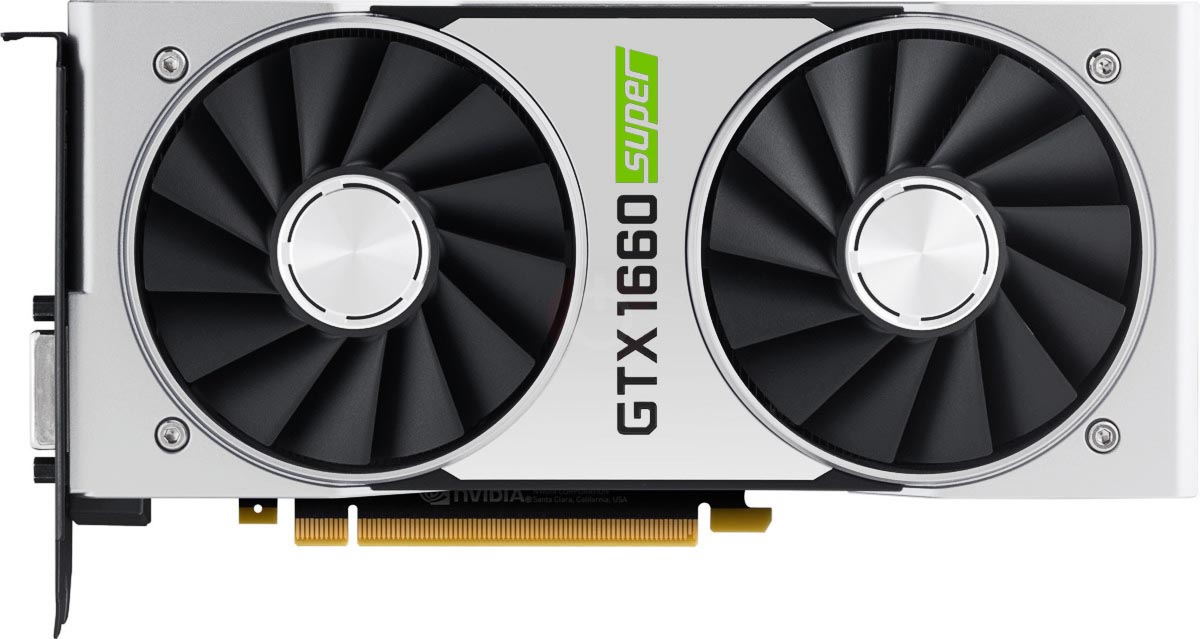
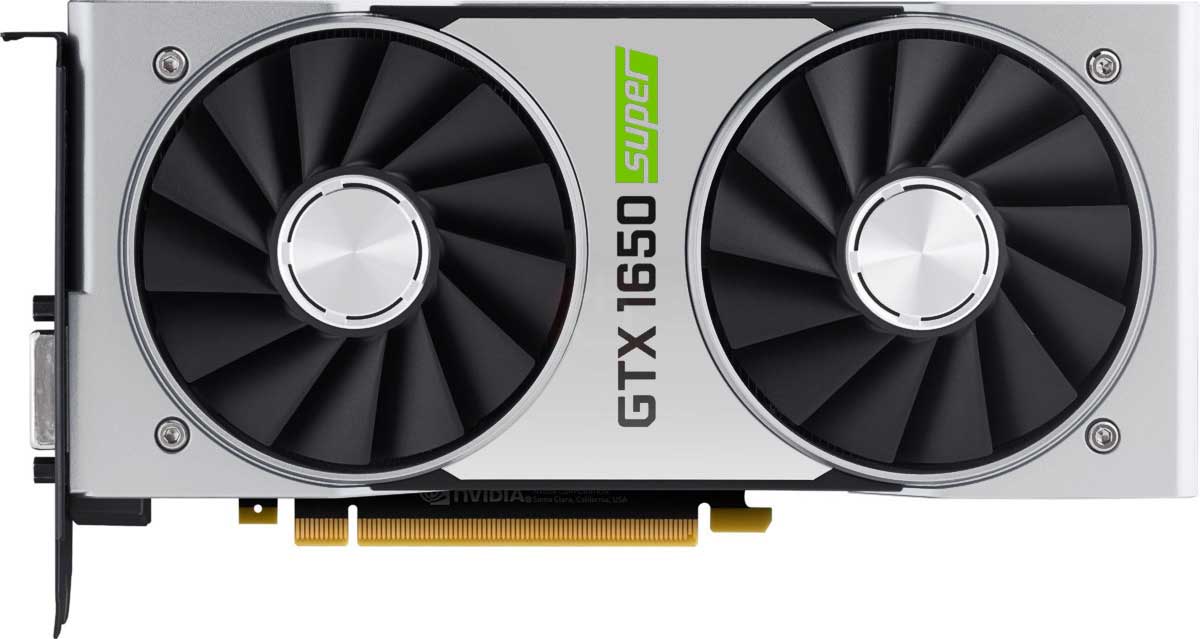
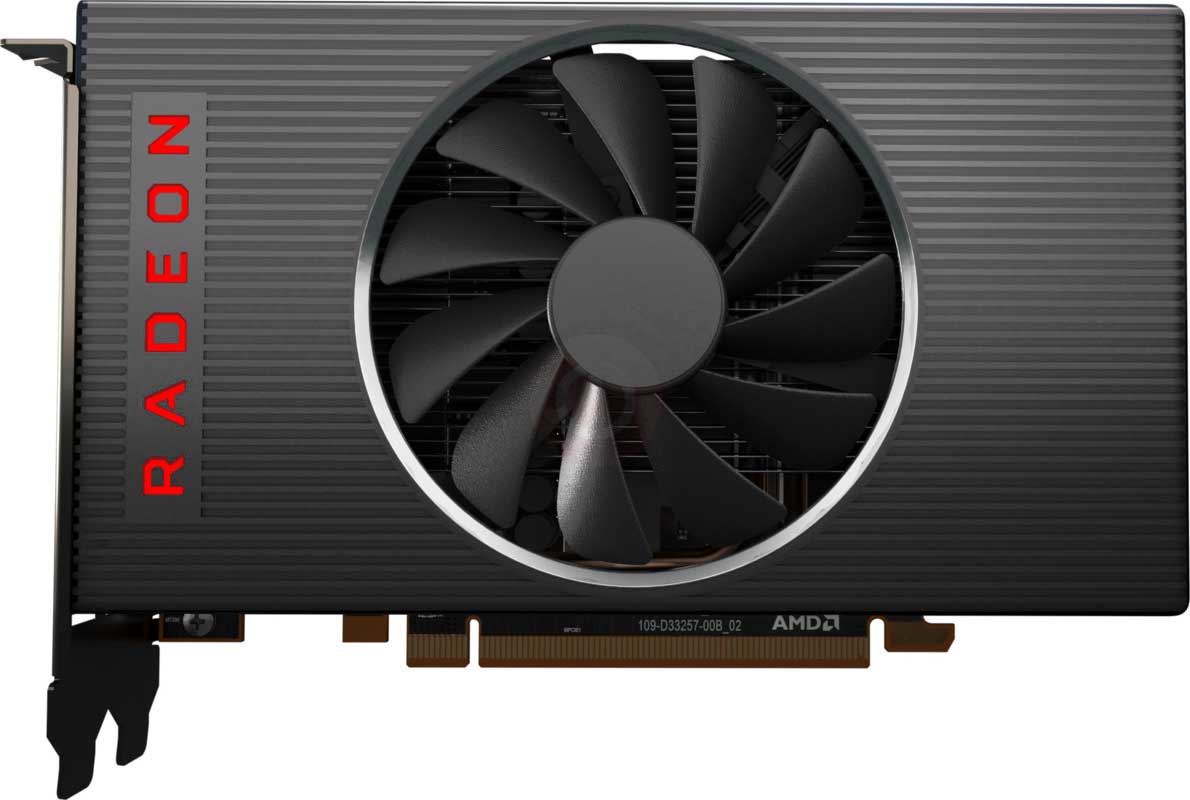
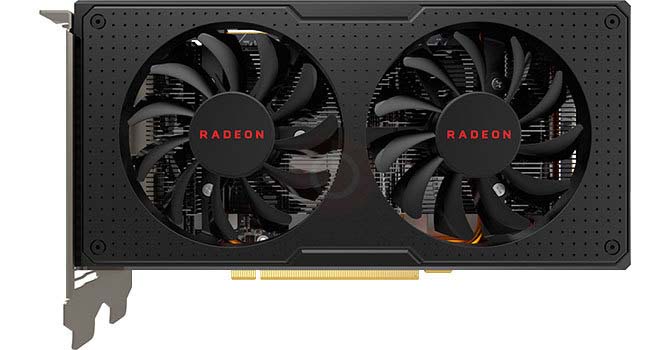
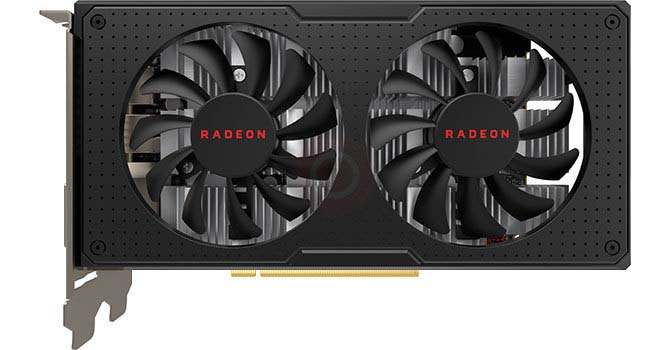
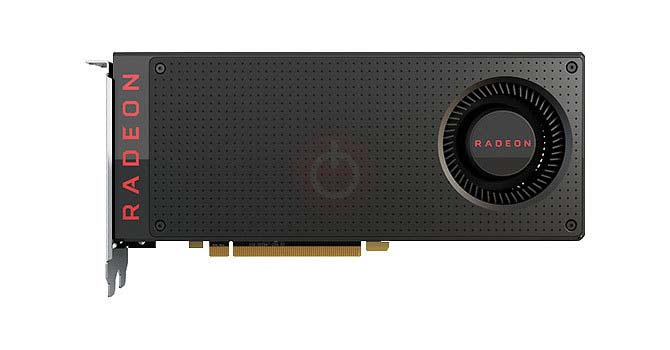
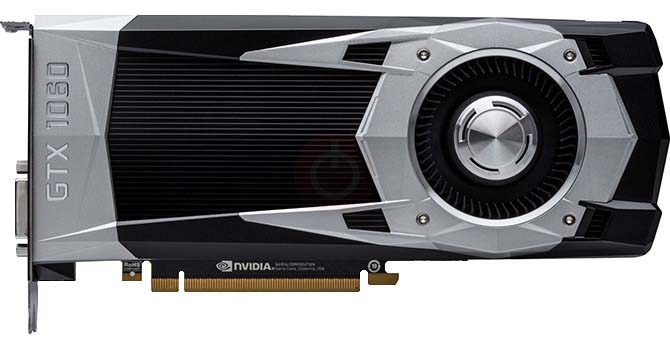
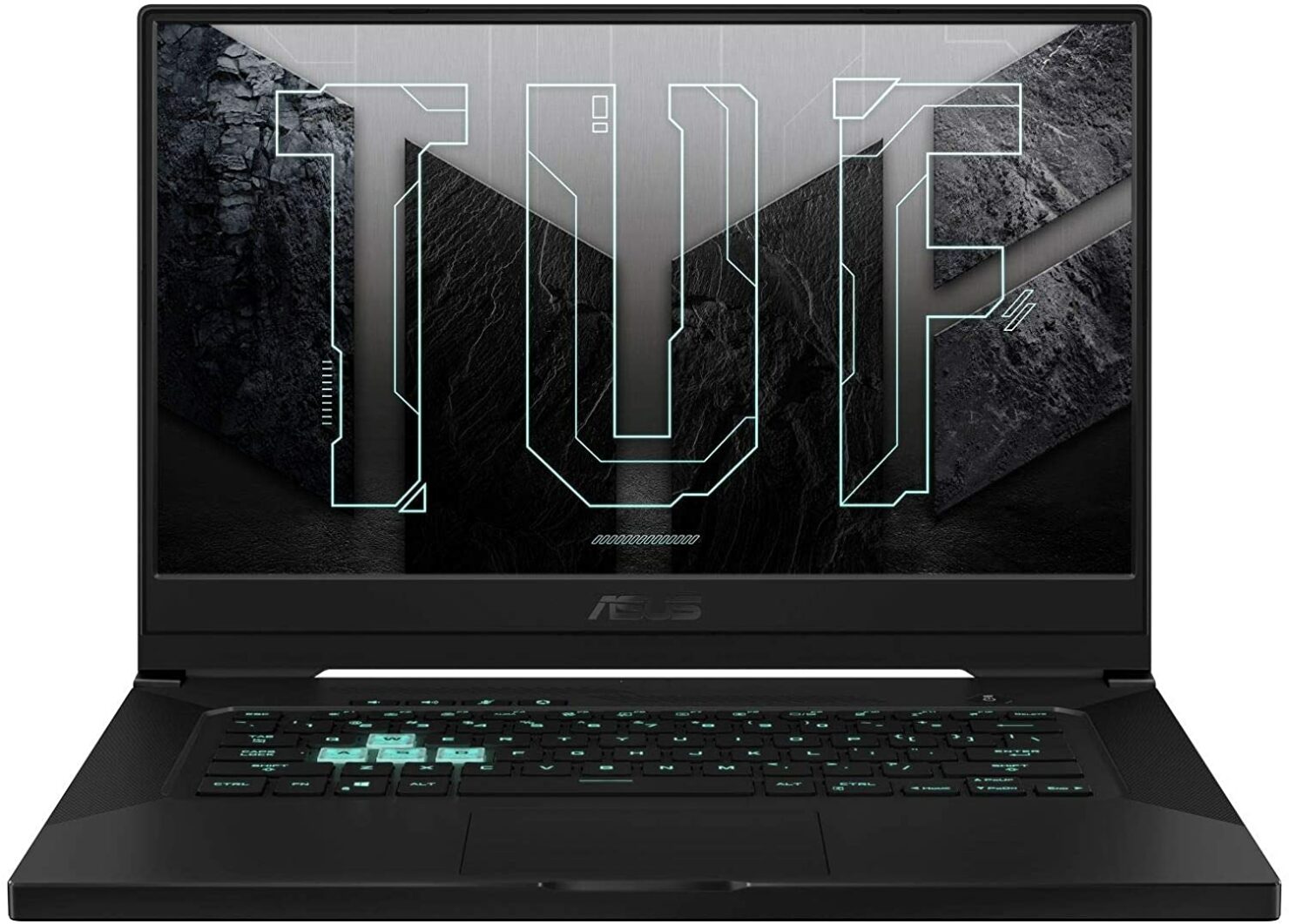






Was ist vor dem Kauf einer Grafikkarte zu beachten?
Wenn Sie vorhaben, Ihr System durch den Kauf einer neuen Grafikkarte zu aktualisieren. Dann sind einige wichtige Faktoren zu beachten.
Auflösung VS Qualität: Auswirkungen auf die Spieleleistung
Was beeinflusst die Spieleleistung? Klarheit oder Details?
Ultra VS High-Quality-Einstellungen in PC-Spielen
Jeder Spieler hat eine andere Vorstellung von der idealen Einstellung für PC-Spiele. In den meisten Fällen entscheiden Sie sich jedoch für eine qualitativ hochwertige Grafikkonfiguration.
Was sind CPU- oder GPU-Engpässe?
Bekommst du plötzliche Bildstürze? Sie könnten einen Engpass haben.
Was ist die akzeptable FPS-Geschwindigkeit für mich?
Bei einigen Spielen können Sie bei niedrigeren Frameraten immer noch tolle Garphics genießen.
GPU Hierarchy
GPU Compare
CPU Compare
Gaming Laptops
Gaming Monitors
Gaming Headsets
Diskussion und Kommentare
Teilen Sie Ihre Kommentare