|
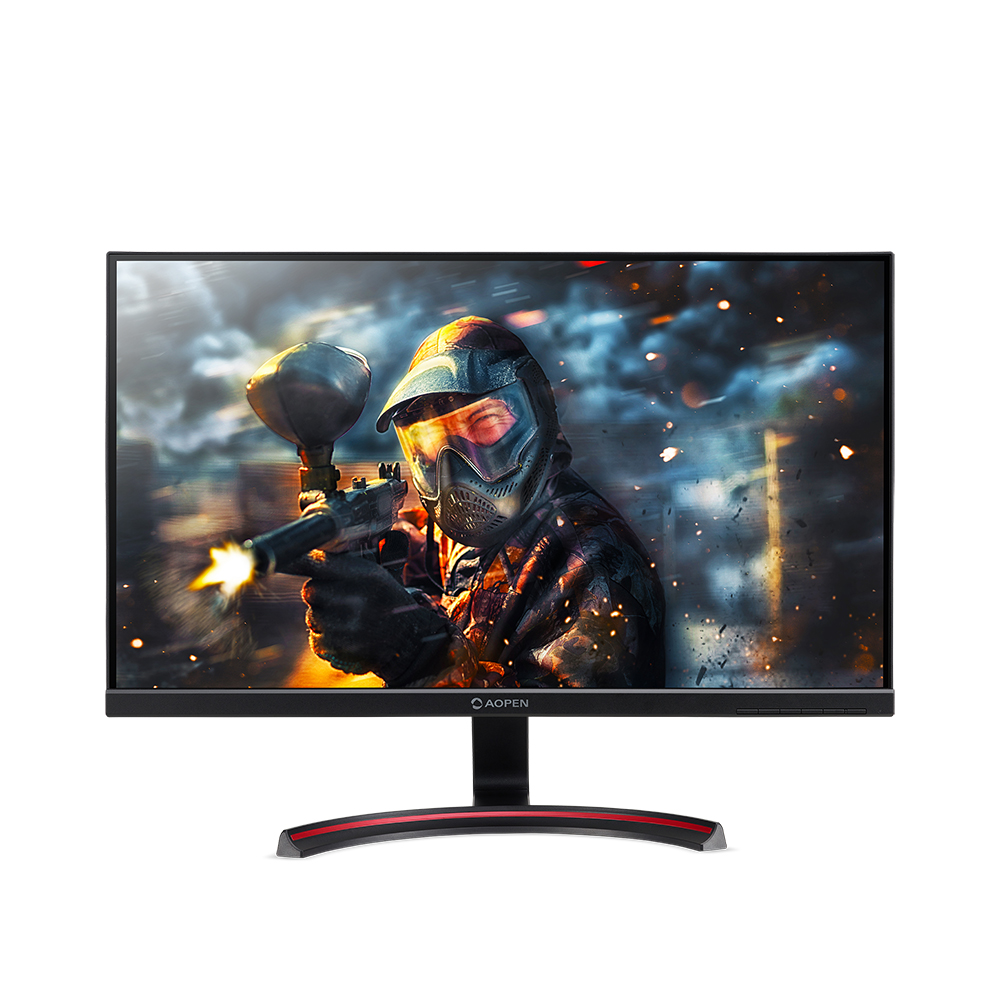
27" AOpen 27MX1 |
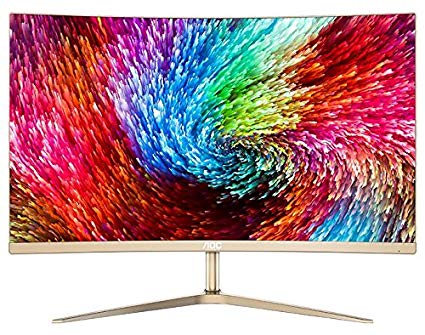
27" AOC C2789FH8 |
Difference |
| Brand |
AOpen |
AOC |
|
| Year |
2018 |
2017 |
1 (0%) |
| Model |
27MX1 |
C2789FH8 |
|
| Size |
27" |
27" |
0 (0%) |
| Minimum Refresh Rate |
48Hz |
50Hz |
2 (4%) |
| Maximum Refresh Rate |
75Hz |
76Hz |
1 (1%) |
| AMD FreeSync |
Yes |
Yes |
|
| NVIDIA G-Sync |
No |
No |
|
| Maximum Resolution |
1920 x 1080 |
1920 x 1080 |
|
| Panel Type |
TN |
VA |
|
| Pixel Density |
81 ppi |
81 ppi |
0 (0%) |
| Minimum Response Time |
1ms |
4ms |
3 (300%) |
| Average Response Time |
1.5ms |
14ms |
12.5 (833%) |
| Total Response + Input Lag |
12ms |
24.5ms |
12.5 (104%) |
| Maximum Brightness |
300 cd/m^2 |
250 cd/m^2 |
50 (17%) |
| Price |
$ 203.0 |
$ 298.9 |
95.9 (47%) |
| VESA Mount |
Yes |
No |
|
| Native Color Depth |
6 bit |
6 bit |
0 (0%) |
| Static Contrast Ratio |
1000 : 1 |
3000 : 1 |
2000 (200%) |
| Display Port |
No |
No |
|
| Overall Combination Score |
67.5/100 |
55.0/100 |
12.5 (19%) |
The AOpen 27MX1 is newer than AOC C2789FH8 . The brightness of AOpen 27MX1 is better than AOC C2789FH8 by 18 %. For the average response rate, the AOpen 27MX1 scores 1.5 ms, which is faster than the AOC C2789FH8 . AOpen 27MX1 has lower total input lag than AOC C2789FH8 . The minimum response rate of AOpen 27MX1 is 1 ms, which is 120 % faster than the AOC C2789FH8 . The AOpen 27MX1 has a VESA mount while the AOC C2789FH8 does not. AOC C2789FH8 has a higher contrast ratio of 3000 : 1.
27" AOpen 27MX1
The AOpen 27MX1 is a relatively new monitor. The monitor has a VESA mount. With the AMD FreeSync support, this monitor is compatible with both AMD and NVIDIA graphics cards. For the average response rate, the AOpen 27MX1 scores 1.5 ms, which ensures effective synchronization with the high refresh rate. The minimum response rate of AOpen 27MX1 is 1 ms, which is eliminates ghosting effects. AOpen 27MX1 has a total input lag of 12 ms, which is excellent among the competition. In terms of pixel density, the AOpen 27MX1 has an low density of 81 pixels-per-inch, resulting in pixelated text and picture quality. The AOpen 27MX1 has no Display Port and which is essential for NVIDIA cards to work with AMD FreeSync. The monitor has an unimpressive contrast ratio of 1000 : 1. Graphically demanding games may cause frame drops outside the adative refresh rate of 48 Hz. The monitor uses a TN panel which suffers from color shifting when viewed from horizontal and vertical angles and has slightly washed colors compared to IPS and VA panels. The AOpen 27MX1 has a maximum refresh rate of 75 Hz and this may be too low for the extremely fast frame rates in competitive games. For graphics color quality, the AOpen 27MX1 has an average color depth of 6 -bit, resulting in dithered gradients and more slightly less accurate colors. The brightness of AOpen 27MX1 is lower than other monitors.
27" AOC C2789FH8
With the AMD FreeSync support, this monitor is compatible with both AMD and NVIDIA graphics cards. The monitor panel has good viewing angles and offers better contrast and colors than TN panels. The AOC C2789FH8 is a relatively new monitor. AOC C2789FH8 has an excellent contrast ratio of 3000 : 1. For graphics color quality, the AOC C2789FH8 has an average color depth of 6 -bit, resulting in dithered gradients and more slightly less accurate colors. The AOC C2789FH8 has no Display Port and which is essential for NVIDIA cards to work with AMD FreeSync. The AOC C2789FH8 has a maximum refresh rate of 76 Hz and this may be too low for the extremely fast frame rates in competitive games. Graphically demanding games may cause frame drops outside the adative refresh rate of 50 Hz. The monitor does not have a VESA mount. AOC C2789FH8 has a total input lag of 24.5 ms, which is bad among the competition. In terms of pixel density, the AOC C2789FH8 has an low density of 81 pixels-per-inch, resulting in pixelated text and picture quality. The brightness of AOC C2789FH8 is lower than other monitors. The minimum response rate of AOC C2789FH8 is 4 ms, which is can cause ghosting effects. For the average response rate, the AOC C2789FH8 scores 14 ms, which can cause motion blurring due to ineffective synchronization with the high refresh rate.
What to Consider Before Buying a Graphics Card
If you have been planning to upgrade your system by purchasing a new graphics card. Then there are some important factors to consider.
Resolution VS Quality: Impact on Game Performance
What affects game performance? Clarity or Details?
Ultra VS High Quality Settings in PC Games
Every player has a different notion about the ideal setting for PC games. But in most cases, opting for a High quality graphics configuration is the way to go.
What are CPU or GPU Bottlenecks?
Are you getting sudden frame drops? you might have a bottleneck.
What is the acceptable FPS speed for me?
For some games, you can still enjoy great garphics at lower frame rates.
GPU Hierarchy
GPU Compare
CPU Compare
Gaming Laptops
Gaming Monitors
Gaming Headsets
Discussion and Comments
Share Your Comments